Continue Your Pilgrimage
Next Shrines to Visit · 次に巡る一の宮
| Founded | Ancient (Kofun-period origins) |
|---|---|
| Main Deities | 味耜高彦根命 / 大国主命 |
| Rank | Ichinomiya of Mutsu Province |
| Annual Festival | Nov 1 (Reitaisai) |
| Goshuin Fee | ¥ 300 |
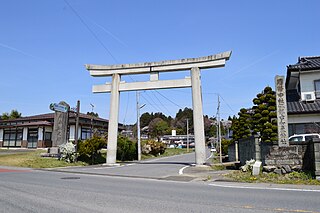
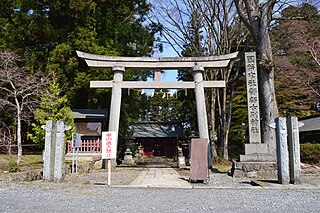
Ishitsutsukowake Jinja.
The third of the three sister shrines, in the small town of Ishikawa in southern Fukushima.
But this one has something the other two do not. It has the stones.
Walking up the path to the main hall, you begin to see them — large, rough boulders, half-buried in moss, scattered through the forest with no apparent order. Each has a name. The Boat Stone. The Folding Screen Stone. The Hat Stone. The Turtle Stone.
These are not decoration. They are older than the shrine itself. Long before any building was constructed here, long before the roof was raised over the main hall, these stones were already understood as sacred — places where, the local people believed, the spirits of the land had once descended.
The stones are still here. The forest grows around them. Moss covers them. Small ferns sprout from their cracks.
Many ancient cultures around the world have practiced what is called megalithic worship — the recognition of sacred presence in large stones, before religion took the form of architecture. Ishitsutsukowake preserves this in modern Japan, almost unchanged.
You can walk among the stones. Place a hand on the cold surface. Look up at the patterns the trees make above each one.
Some places are sacred because someone built a shrine there. Some places are sacred because the stones were already there, and the shrine simply gathered around them.
This is the second kind.
| Hatsuhoryo (fee) | ¥ 300 |
|---|---|
| Hours | 9:00 – 16:30 |
| Style | Pre-written (kakioki) |
| Limited Editions | Reitaisai edition (Nov 1) |
| Notes | Shrine built atop ancient burial mound |
Plan the visit end-to-end — hotels, transport, tours, and a goshuin book.
Some links are affiliate (commission-based). Helps fund the site.