Continue Your Pilgrimage
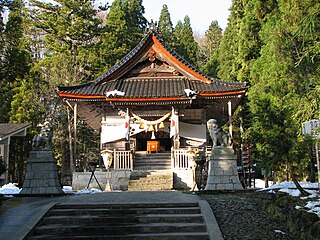
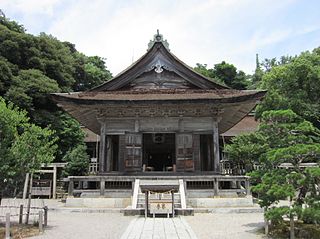
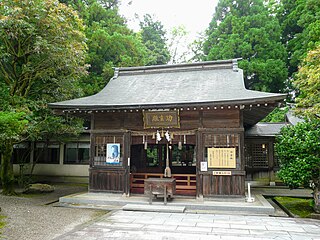
Next Shrines to Visit · 次に巡る一の宮
| Founded | 718 CE (2nd yr of Yoro) |
|---|---|
| Main Deities | 大己貴命 / 奴奈加波姫命 |
| Rank | Ichinomiya of Etchu Province |
| Annual Festival | Apr 18 (Reitaisai · Kenka Mikoshi) |
| Goshuin Fee | ¥ 500 |
Keta Jinja, Takaoka.
In the small port town of Fushiki, near Takaoka in Toyama Prefecture, sits a shrine that, in the eighth century, was a kind of sister to a more famous shrine on the Noto Peninsula.
The original Keta Taisha is on the Sea of Japan coast, in Ishikawa. This Keta Jinja, in Toyama, was established when worshipers from the original moved here, carrying their deity with them. The two shrines have remained in quiet relation for over twelve hundred years.
What makes this shrine especially memorable is its connection to one of Japan's most beloved poets.
In the year 746, a young court poet named Otomo no Yakamochi was sent from the capital to serve as the regional governor of Etchu Province. He was twenty-eight years old. The post was a kind of gentle exile — far from the court, deep in the provinces.
For five years, he lived nearby, walked these paths, and wrote some of the finest poetry in Japan's earliest poetic anthology, the Manyoshu. Many of his poems describe this exact landscape — the sea, Mount Tateyama in the distance, the local rivers, the wind across the rice paddies.
Walking the paths near this shrine, you are walking through Yakamochi's poems. The same shrine. The same wind. The same view of the distant alpine peaks.
A poet's exile became, over twelve hundred years, a literary landmark.
Stand on the wooden veranda. The trees frame Mount Tateyama in the far distance.
Some places preserve, by simply continuing, the inner life of someone long gone.
| Hatsuhoryo (fee) | ¥ 500 |
|---|---|
| Hours | 9:00 – 16:30 |
| Style | Hand-written (jikagaki) |
| Limited Editions | Kenka Mikoshi + Reitaisai editions |
| Notes | Distinct from Keta-Taisha (Noto) |
Plan the visit end-to-end — hotels, transport, tours, and a goshuin book.
Some links are affiliate (commission-based). Helps fund the site.