| Founded | 211 CE (trad. 11th yr of Empress Jingu) |
|---|---|
| Main Deities | 底筒男命 / 中筒男命 / 表筒男命 / 神功皇后 |
| Rank | Ichinomiya of Settsu Province |
| Annual Festival | Jul 31 – Aug 1 (Sumiyoshi Matsuri) |
| Goshuin Fee | ¥ 500 |
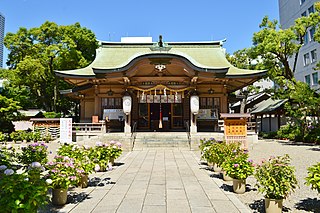
Sumiyoshi Taisha.
In Osaka, where the great trading city meets the sea, stands one of the oldest shrines in Japan. For more than eighteen hundred years, sailors and travelers have come here to pray before crossing dangerous water.
A bright vermillion arched bridge — almost too steep to walk easily — rises sharply at the entrance. Climbing it is meant to be felt in your body. Going up, you leave the ordinary world. Coming down, you return changed.
Beyond the bridge, four main halls stand in a row, all facing west, toward the sea. The architecture is unlike anything else in Japan. No curved roof. No bright ornament. Just clean, straight lines of unpainted wood, the way the earliest shrines were built — before the influence of Chinese architecture arrived. This is what shrine buildings looked like at the very beginning.
For centuries, fleets bound for Korea and China gathered nearby. Sailors stopped here first. Some never returned. Their families kept coming back, year after year, generation after generation, lighting incense, leaving offerings, asking the sea for safe passage.
Today, Osaka has grown so large that the sea is no longer visible from the shrine. But the four halls still face west. They still face where the water used to be.
Some prayers do not need their object to be visible.
They only need to know which direction to face.
| Hatsuhoryo (fee) | ¥ 500 |
|---|---|
| Hours | 9:00 – 16:30 |
| Style | Hand-written (jikagaki) |
| Limited Editions | Sumiyoshi Matsuri + Hatsutatsu editions |
| Notes | Sub-shrines (Tanekashi, Nankun) also offer seals |
Plan the visit end-to-end — hotels, transport, tours, and a goshuin book.
Some links are affiliate (commission-based). Helps fund the site.