| Founded | 663 BCE (trad. pre-Jimmu eastern expedition) |
|---|---|
| Main Deities | 天児屋根命 / 比売御神 |
| Rank | Ichinomiya of Kawachi Province |
| Annual Festival | Feb 1 (Reisai) |
| Goshuin Fee | ¥ 500 |
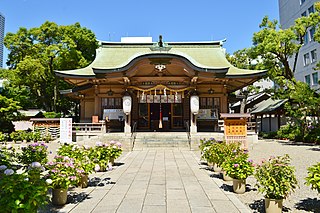
Hiraoka Jinja.
At the foot of Mount Ikoma, on the eastern edge of Osaka, sits a shrine known to Japanese history as "the original Kasuga."
The famous Kasuga Taisha in Nara — with its lantern-lined paths and sacred deer — is one of the most visited shrines in Japan. But its first deity was not from Nara. It was brought there from this place. This shrine is the source.
Hiraoka was the home shrine of the powerful Fujiwara clan, whose members would later dominate Japanese imperial politics for hundreds of years. Long before they reached that level of power, they prayed here. When they founded Kasuga in Nara as the official shrine of their family in the new capital, they did so by carrying the deity here, on a journey that took weeks.
Six hundred plum trees grow inside the shrine grounds. In February, while the air is still cold, the white and red blossoms begin to open one by one. The trees are not famous like the cherry blossoms of Yoshino or the maples of Kyoto, but for those who know, the plum forest at Hiraoka is one of the quiet wonders of the season.
Each December 25th, the shrine hosts a "laughter ritual" — locals gather at the main hall and laugh together, loudly, for the purpose of clearing accumulated bad fortune from the year. It has been done annually for centuries.
Stand in the courtyard. Mount Ikoma rises behind you. The plum trees, in season, surround you with their faint, sweet smell.
Some places quietly gave away what they had, and stayed where they were.
| Hatsuhoryo (fee) | ¥ 300 |
|---|---|
| Hours | 9:00 – 16:30 |
| Style | Hand-written (jikagaki) |
| Limited Editions | Plum Festival + Reisai editions |
| Notes | Stamp marks Ichinomiya of Kawachi Province |
Plan the visit end-to-end — hotels, transport, tours, and a goshuin book.
Some links are affiliate (commission-based). Helps fund the site.