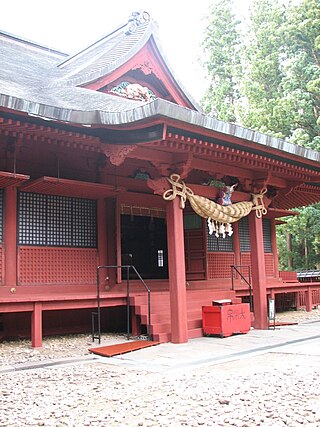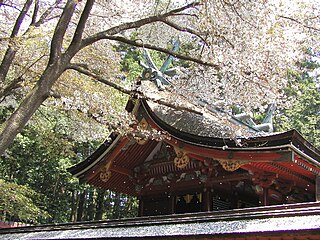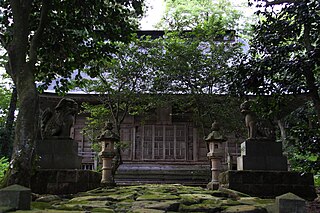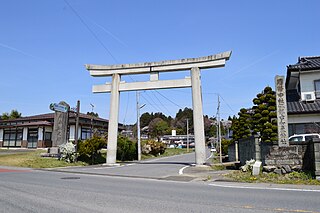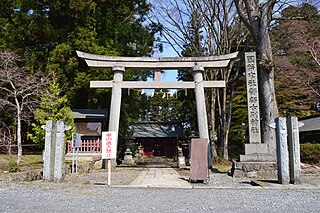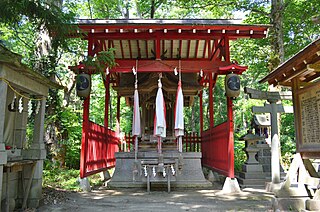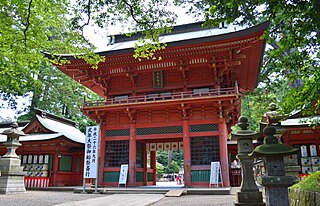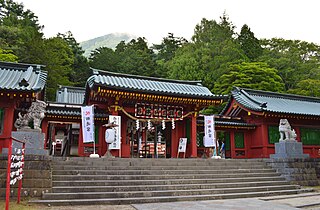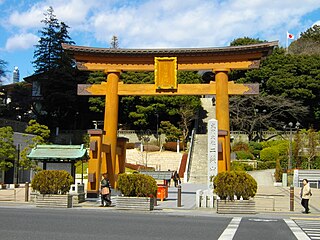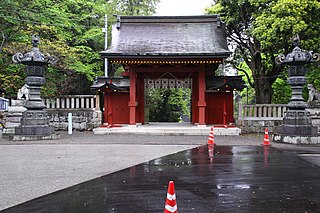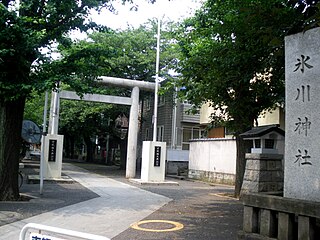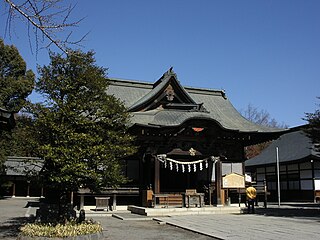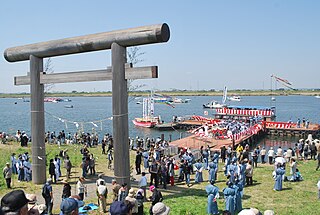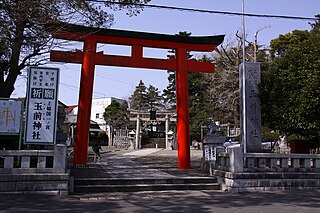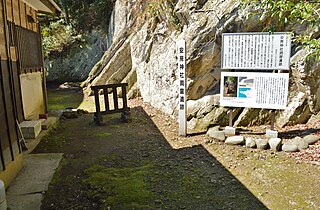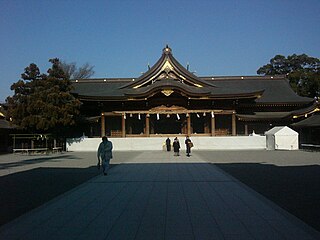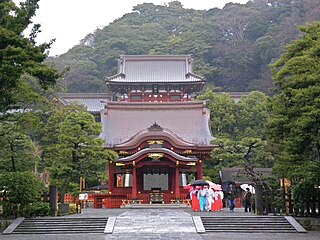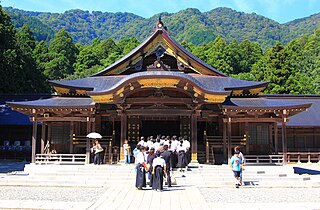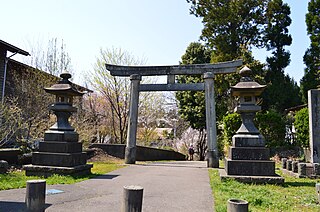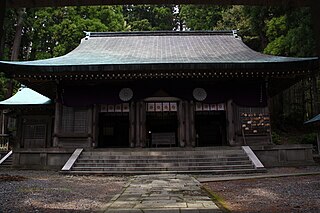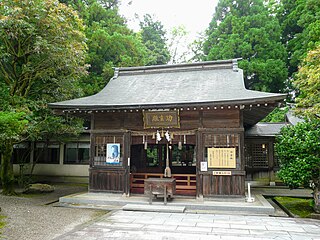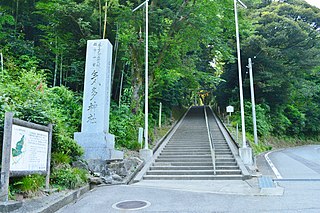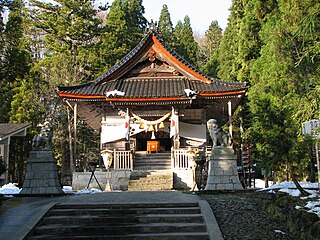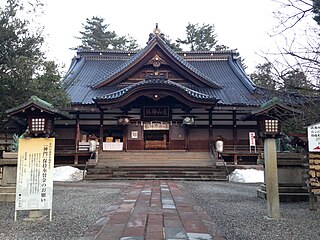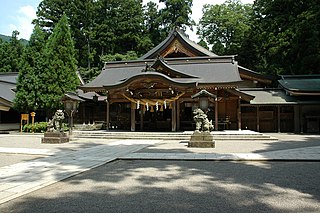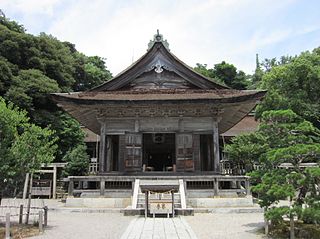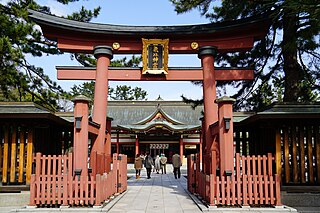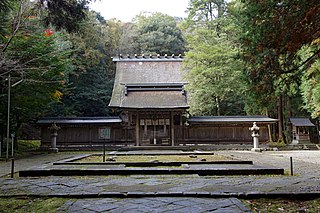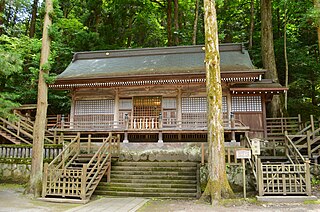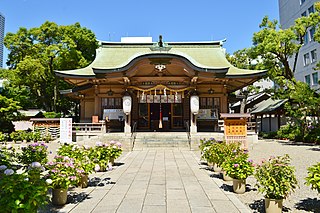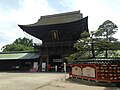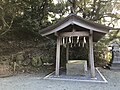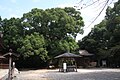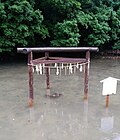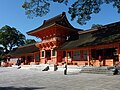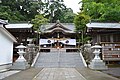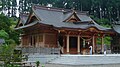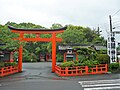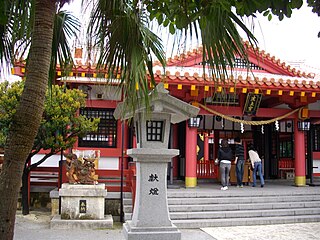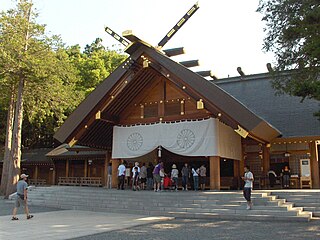
In Japan's ancient provincial system — established roughly a thousand years ago — each province (kuni) had one shrine designated as its highest-ranking house of worship. This was the ichinomiya (一の宮): "first shrine."
The designation was never formally decreed by the Imperial court; instead it emerged organically, from the reverence of governors, warriors, and pilgrims who made it their custom to worship at the provincial first shrine before undertaking any serious journey or battle.
Across Japan's roughly 60 ancient provinces, some 99 shrines carry the ichinomiya designation today — a few provinces have two or even three, while some have none. The diversity is the point. These are not tourist attractions built for an audience; they are places that have been prayed at, continuously, for a millennium. The dust of ten thousand pilgrimages has settled into the flagstones. The kami — the divine presences — have been listening for a very long time.
Each shrine is paired here with the nearest Shugendō sacred mountain and the local sake brewery. Mountain snowmelt feeds the shrine's spring; the spring feeds the brewery; the brewery's finest sake is offered back to the shrine. The triad — ⛩ shrine, ⛰ mountain, 🍶 sake — is a single circulation of sacred water.
The ichinomiya are not tourist sites. They are working places of worship that have received prayers without interruption for ten centuries. Observe the following before entering.
Pause and bow once before entering. Walk to one side — the centre of the approach (sando) is the path of the kami.
Ladle water over your left hand, then your right, then rinse your mouth (do not drink directly). If water is unavailable, a gentle bow suffices.
The standard form of worship is ni-rei, ni-hakushu, ichi-rei — two deep bows, two claps, one final bow. Some shrines (especially those enshrining Izumo-kei deities) observe four claps; follow the sign posted at the shrine.
The approach and garden are generally permitted. The inner sanctum (honden) and any rituals in progress are not. When in doubt, lower the camera.
This is not a stamp-rally sticker. It is a written record of your visit, prepared by a priest or shrine attendant. Present your seal-book (goshuinchō) respectfully with both hands. Never place it on the ground. Do not request a goshuuin while a formal ceremony is in progress.
Turn your phone to silent before entering the grounds. Conversations in normal indoor tones are fine; amplified music or calls are not. A shrine is a listening place.
The standard offering is a coin (5-yen coins are considered auspicious for their homophones meaning "good connection"). Drop it gently — do not throw it.